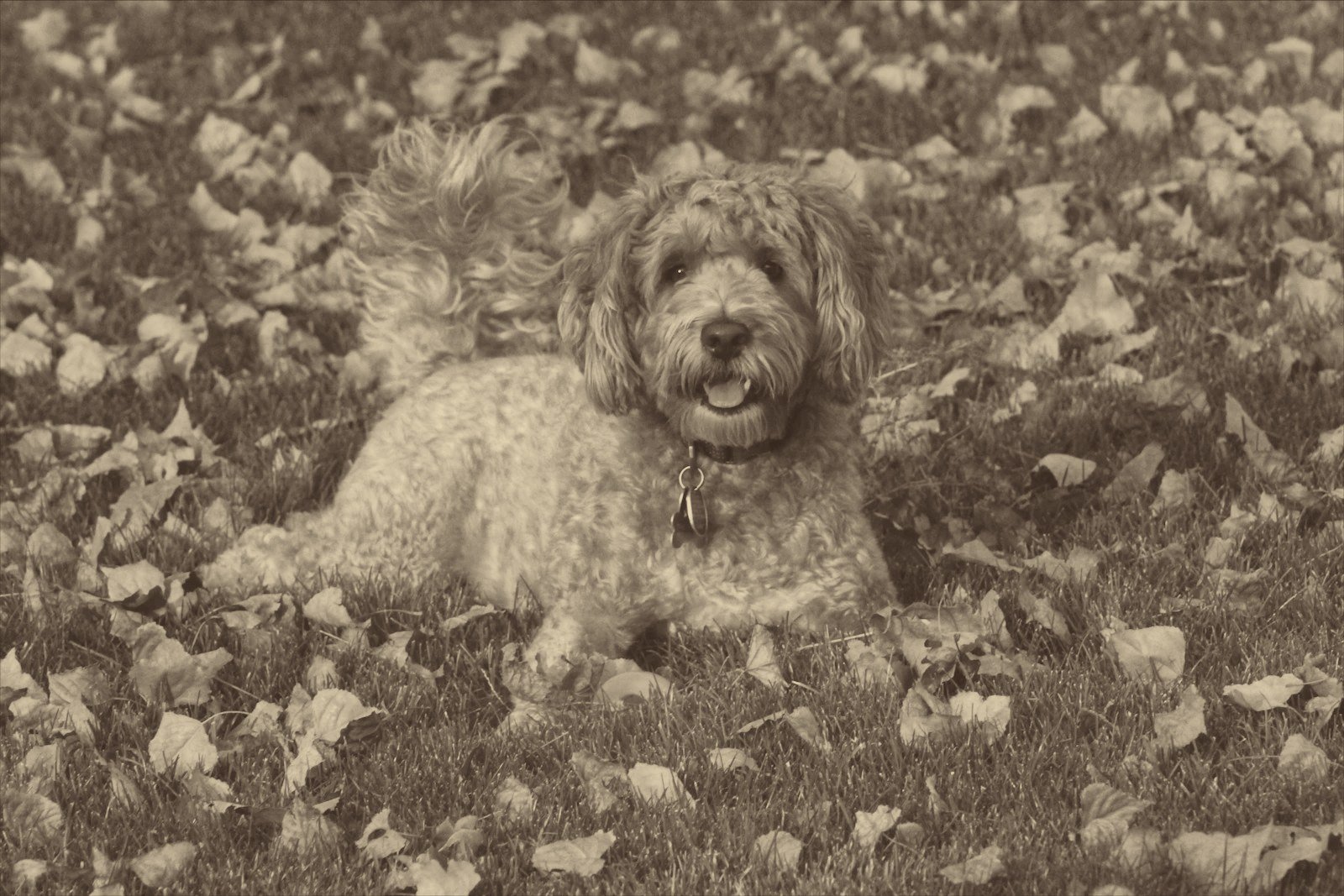
What caring for my assistance dog taught me about love, shame and trusting my own voice
Content note: this piece discusses self-harm.
When I first got Radha, my assistance dog, people around me began commenting on how well I cared for her. Doctors, mental-health nurses, social and recovery workers, police officers, housemates and even staff at my local shop noticed the care I gave her.
Their comments surprised me—not necessarily because they had expected me to fail, but because part of me had. At the time, I was profoundly unwell and carrying a depth of shame that distorted the way I saw myself. I assumed other people must see what I believed was there: someone fundamentally bad, unsafe and incapable of caring properly for another living being. Instead, they reflected back tenderness, commitment and responsibility.
That shame came from experiences that were not my fault: from being harmed, having my vulnerability used against me, and being treated with suspicion by some of the very people and institutions from whom I sought protection. I do not need to disclose those experiences here. What matters is what they left behind—a voice that confused being harmed with being harmful.
But the reality of my relationship with Radha contradicted that voice. It did so not through reassurance or positive thinking, but through my actions in real time. I cared for her consistently. I paid attention to what she needed and enjoyed. She was safe, loved and thriving. The person revealed through those actions was almost the opposite of the person shame had taught me to believe I was.
When I was a little girl, I had a little dog. I loved her with all my heart. Although I will admit that my father was right—she wasn’t the right dog for me, and I was too young—I still loved her.
The problem was that I wasn’t allowed to love and care for her in my own way. I was ridiculed, shouted at and shamed. Once, when I was eight or nine years old, I wrote a school essay about how I cared for my dog. I described how I wanted to look after her: washing her once a week, brushing her and taking her for walks.
The truth was that I wasn’t allowed to do those things in the way I wanted. Everything had to be done as it was dictated to me. I got into trouble for “lying” in my essay. An adult placed their own shame onto me, and I absorbed it as evidence that there was something wrong with my character and intentions.
When I got Radha, I set out to care for her in my own way—in the way that I had never been allowed to before. I promised myself that I would shut out the noise and the naysayers, trust my convictions and persist in doing things in a way that suited both of us.
I take Radha for a walk every single day. I do it regardless of my physical pain or emotional anguish because I know that she needs the exercise and stimulation. She loves going to the park, the woods or any open space where she can explore. It helps her remain calm and happy at home, which matters because I also need calm and stability for my health and healing.
In meeting her need for movement, I began meeting some of my own. The daily exercise does me good. So does the fresh air, the connection to nature and the simple experience of seeing other people and dogs in my community.
Within the first month of having her, I noticed her fascination with balls. I wanted to participate in the activities and games that made her happy, so I bought balls in different sizes and types. We played with them every day, both outdoors and at home.
The girl is so good at football that she could play for the England women’s team! I have never been an adequate ball player; I even have proof of that in writing from a nursery school report card. But kicking a ball and running around with Radha aided my own recovery tremendously.
I also developed a weekly routine of washing and grooming her. She seems to enjoy the attention, pampering and massage that come with it. It brings calm and joy to me to look after her in this way. Keeping her clean also means she can enter places such as hospitals, medical practices and supermarkets without creating unnecessary difficulties for either of us.
I love her in the way that she adores. I give her cuddles and kisses. I sing her songs. I tell her she’s a good girl and that I love her very much. Her breed and temperament respond to this kind of attention, and it comes easily and naturally to me.
To reach out and touch her, whisper a sweet nothing and kiss her little head is second nature. It is a far cry from the bad person I had been made to believe I was by carers and partners who turned out to be my abusers.
The benefit to my nervous system has been profound. Loving her in this way reduces my anxiety and helps prevent me from harming myself.
The more carefully I tend to Radha’s needs, the more secure and emotionally able she is to support me. That does not make our relationship transactional. She is not a machine who must remain permanently “charged” for my benefit. She is a living being with her own needs, preferences, limits and moods. Caring for those things is part of loving her. The support she gives me grows from the safety and trust we have built together.
When a traumatised person is repeatedly disbelieved or treated as suspect, institutional judgment can become attached to existing shame. Eventually, it becomes difficult to distinguish between how others have treated you and who you actually are.
I stood my ground for a long time regarding my right and ability to train Radha to become the supportive assistance dog I need in my day-to-day life. She has accompanied me to court twice, supported me during police interviews and attended appointments at my GP practice.
I received a lot of resistance from medical professionals, particularly in the run-up to having her assessed and formally recognised as a psychiatric assistance dog. It wasn’t because they failed to recognise that I had complex needs. The medical system can simply be a bit arse backwards when it comes to recognising forms of support that exist outside its usual framework.
My experiences in the East End often left me feeling that the services around me were not designed to support my long-term health, agency or happiness. My experience in North London has been somewhat better. Perhaps more people here have assistance dogs and feel able to assert their rights. Perhaps there is simply greater understanding and less discrimination.
In choosing to care for Radha in my own way, I began to hear the voice that had been buried beneath years of shame, control and distortion. It was the voice that noticed what she needed, understood what made her happy and knew how to love her.
When I wrote that childhood essay, I was accused of lying. But perhaps I was telling a deeper truth. I was describing the care I wanted to give if only I had been allowed to trust my own instincts.
With Radha, I finally have.
I meet her needs, and in turn, she helps me meet mine. Somewhere within that exchange, the little girl I was is having some of her needs met too.
I am blessed to have her.
Karmic Rebelle
Leave a Reply