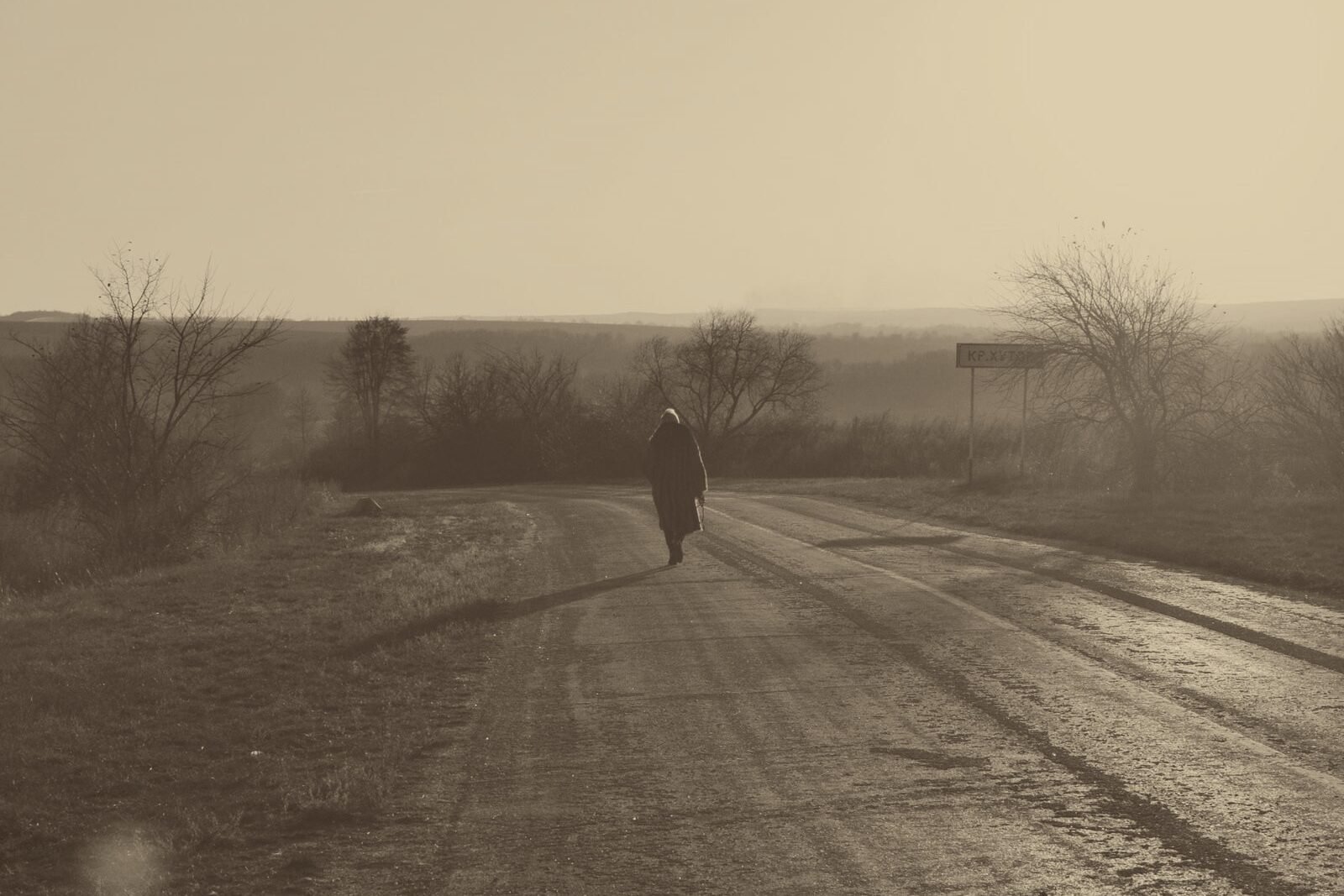
An exploration of how capitalism, productivity culture and failing institutions contribute to burnout, neurodivergence-related distress and human suffering.
I’m a masking neurodivergent woman in my 40s, living with ADHD, autism, complex trauma, anxiety, depression, and borderline personality disorder. I’ve spent much of my life trying to function within systems that weren’t designed with minds like mine in mind.
I’ve never faked my conditions. If anything, I’ve done the opposite. I’ve masked them.
Masking is survival. It’s pretending you’re okay when you’re overwhelmed. Rehearsing conversations. Hiding distress. Suppressing sensory overload. Forcing yourself to appear calm, capable, resilient, and “normal” in environments where difference is often misunderstood. It takes enormous energy simply to participate in everyday life.
This isn’t just my experience. Research on autistic and ADHD adults (Hull et al., 2017) describes camouflaging as both physically and mentally exhausting, linking sustained masking to anxiety, stress, and — over time — depression and reduced wellbeing. What looks like coping, from the outside, is measurable wear.
We’re Asking the Wrong Question
As more people are diagnosed with neurodivergent conditions, experience burnout, or struggle to remain in work, the conversation often focuses on individuals. But what if we’re asking the wrong question? Perhaps it’s not simply people who are failing to adapt, but systems that were never designed around human needs in the first place.
Remarks by politicians and government agencies accusing people of exaggerating illness or faking conditions for financial gain, particularly regarding neurodivergence and mental health, are deeply frustrating.
Recently, we’ve once again heard familiar narratives: that people are gaming the welfare system, unwilling to work, or simply lack resilience. The idea that “work is good for mental health” is repeated so often that it begins to sound unquestionable. But life is more complicated than that.
Built for Productivity, Not People
Our economy and many of our institutions still seem rooted in an outdated understanding of human needs. We have created systems that often prioritise productivity, efficiency, and economic output over wellbeing, flexibility, dignity and, at times, even the planet itself.
This isn’t just a lived impression. The World Health Organisation’s own diagnostic manual classifies burnout not as a personal failing but as “a syndrome conceptualized as resulting from chronic workplace stress that has not been successfully managed” — three symptoms: exhaustion, growing mental distance from the job, and reduced effectiveness. Even the medical definition points at the workplace, not the worker.
Modern work culture often assumes consistency, resilience, emotional regulation, social confidence, commuting, rigid schedules, and the ability to keep functioning under pressure regardless of personal circumstances.
Even many neurotypical people struggle under these expectations. For neurodivergent people and those living with trauma or mental health conditions, these systems can become almost impossible to navigate.
This isn’t simply about employment. It shapes education, healthcare, social relationships, and how we measure success. We tend to reward people who can adapt to existing systems, rather than questioning whether those systems are healthy in the first place.
The Complication Systems-Talk Skips Over
None of this means individuals bear no responsibility, or that every institution is acting in bad faith. Meaningful, safe, and supportive work can absolutely improve wellbeing — purpose, stability, community and financial security all matter, and worklessness carries its own well-documented health costs. Redesigning workplaces, benefits assessments and healthcare pathways around difference is also genuinely difficult and expensive to get right; it isn’t simply a matter of willingness.
And yes, fraud exists in every system, including this one. DWP’s own fraud-and-error statistics put PIP fraud at 1.4% of expenditure in the most recent (FYE 2026) release, up from 0.4% the year before — official figures, not mine. That’s a real number, worth holding onto rather than dismissing, even as it makes clear that fraud is the exception, not the explanation, for who ends up struggling.
So the fair question isn’t whether individuals ever fail, or whether every claim is legitimate. It’s why the systems we’ve built keep landing so much of that failure on the people least equipped to absorb it — while insisting, over and over, that the problem is theirs alone.
Invisible Doesn’t Mean Imaginary
Even now, people sometimes question my disability because it isn’t always visible. I can walk. I can carry shopping. Some days I appear completely fine. But invisible disability doesn’t work like that. Many conditions fluctuate. Many people spend enormous amounts of energy appearing functional, only to collapse when they return home. Looking well is not the same as being well. The ability to function sometimes does not erase disability.
Perhaps the Systems Are Failing
When increasing numbers of people experience burnout, poor mental health, neuro-developmental conditions, and an inability to cope with modern working life, the more important question isn’t whether individuals are failing. It’s whether our systems are.
Instead of expecting people to endlessly adapt to environments that leave so many exhausted, maybe it’s time to rethink what we value. What would happen if workplaces offered greater flexibility? If productivity wasn’t measured solely by hours spent at a desk? If managers understood trauma, neurodivergence, and mental health? If dignity mattered as much as efficiency?
These aren’t radical ideas. They’re human ones.
I didn’t get to ask those questions until determination alone had already failed me. Like many people, I wanted to work. I repeatedly tried to work. But willingness was never the issue — it was finding conditions that let me contribute sustainably, which I only found when I started working for myself, with a flexibility and autonomy no employer had offered. Looking well has never been the same as being well. But building something, even something small and my own, that didn’t ask me to hide who I am — that’s the closest thing I’ve found to being believed.
In truth and solidarity,
Karmic Rebelle
Disrupt Karma. Restore Dharma.
Leave a Reply