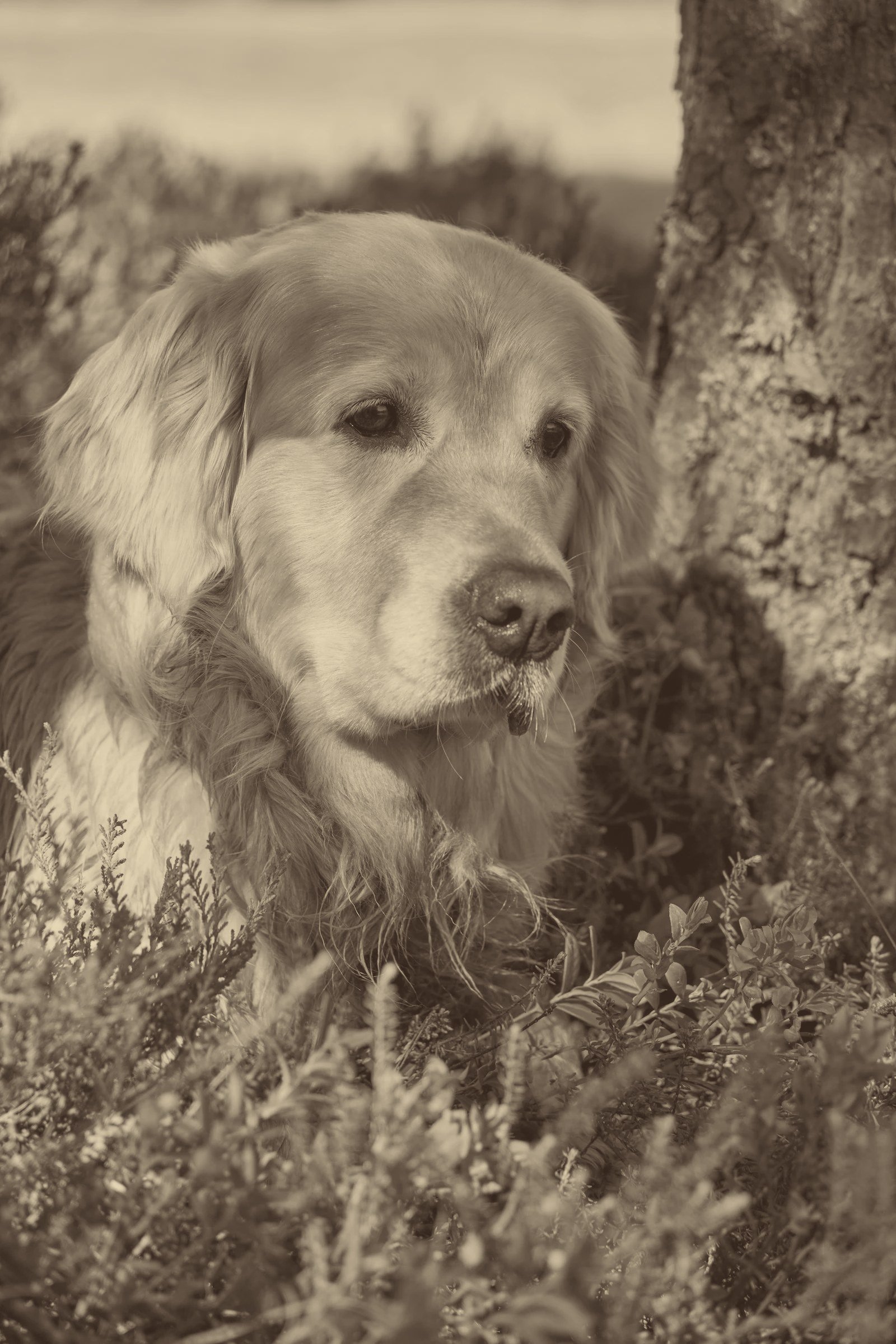
What a psychiatric service dog is legally, what the research actually supports, and the specific, trained tasks that make the difference between managing and not.
A psychiatric service dog isn’t a pet, and it isn’t an emotional support animal, even though the two get confused constantly. An emotional support animal (ESA) provides comfort and companionship — genuinely valuable, but it requires no specific training beyond basic obedience, and in the UK it has no legal recognition as an assistance animal and no public access rights; it can be refused entry to businesses, transport and housing like any other pet. A psychiatric service dog (PSD) is different: it’s individually trained to perform specific tasks that directly mitigate the effects of a disability — grounding during panic attacks, interrupting self-harming behaviours, guiding someone through dissociation, helping them reach safety. Because those tasks are disability-related, PSDs are recognised as assistance dogs under the Equality Act 2010, with the same public access rights as a guide dog for the blind. A therapy dog is different again — trained to comfort many different people in places like hospitals and schools, not an assistance dog for one individual.
The distinction matters because the assumption that “all dogs provide emotional support” is more than a misunderstanding. It undermines the legitimacy of psychiatric service dogs specifically, and it leads to real consequences: people with PSDs face discrimination, denial of access, or accusations of fraud for simply existing with their dog in public. My psychiatric service dog, Radha, has public access rights under the Equality Act 2010, which means she must be allowed into shops, public transport, restaurants and other public spaces — but because mental health disabilities are invisible, people often assume she’s “just” providing comfort, and that I have no right to bring her with me.
What Radha Actually Does
What actually makes her a service dog rather than a source of comfort is what she’s trained to do. When I start to dissociate or panic, Radha nudges me or applies deep pressure to bring me back to the present. In crowds — which can be overwhelming and triggering — she stands in front of or behind me to create a buffer and reduce sensory overload. She notices changes in my breathing, heart rate and body language before I consciously register distress, and intervenes before it becomes a full breakdown. When I’m in public and in the kind of physical pain that can be debilitating, she leads me to a restroom on cue. My PTSD causes intense nightmares and night terrors; she nudges me awake and provides grounding pressure to help me return to reality. I struggle with executive function because of ADHD, and with persistent low mood because of CPTSD and depression — Radha is trained to nudge me toward the basics of self-care I forget, prompting me to eat when I’ve gone too long without. And if I engage in self-harming behaviour under emotional distress, she interrupts it — pawing, licking, or nudging me away.
None of this is comfort-based in the way an ESA’s presence is. An ESA couldn’t perform any of it, because it isn’t trained to. This is what makes Radha a working partner rather than a pet who happens to be very good company.
What the Evidence Actually Supports
The value of a psychiatric service dog isn’t just anecdotal, though the research is more measured than some of what gets claimed for it. A 2018 Purdue University study of 73 post-9/11 veterans with PTSD — some with service dogs, some on a waiting list — found that those with dogs reported significantly lower anxiety, anger and sleep disturbance, and reduced alcohol misuse, with effect sizes ranging from medium to large. The study also found a healthier pattern in participants’ morning cortisol response, though the researchers were careful to note they hadn’t established a direct link, at the individual level, between that cortisol pattern and symptom reduction — a caveat worth keeping, rather than skipping past it to claim more certainty than the data supports.
A 2020 systematic review in PLOS One, covering 27 studies on assistance dogs and psychosocial health, found real if uneven support: meaningful improvements in psychological wellbeing, emotional functioning and self-esteem, alongside social and quality-of-life benefits. But the review is honest about its limits too — most comparisons across the studies it covered were statistically null, and the field as a whole suffers from inconsistent methodology. That’s not a reason to discount what these dogs do. It’s a reason to be precise about what’s actually been shown, rather than reaching for whichever citation sounds most impressive.
Why This Matters
Mental health disabilities are often invisible, which makes them easy to misunderstand or minimise. People see me walking with Radha and might think, “oh, she just loves her dog,” without knowing that without her, I might not have made it out of my home that day. She isn’t here for fun or companionship, even though she gives me plenty of both. She’s here because my world becomes smaller and harder to navigate without her.
The bond between a person and their psychiatric service dog is built on trust, training and a working partnership that has nothing to do with the ordinary relationship between a person and their pet. Radha often knows when I’m struggling before I do. She keeps me grounded, safe and connected to the world around me. For those of us living with severe mental health conditions, a service dog like her offers more than support. She offers freedom, dignity, and the ability to live a fuller, more independent life.
If you know someone with a PSD, or see one in public, be mindful: these dogs aren’t pets. They’re working, and their focus is on keeping their handler safe. A little understanding, respect and consideration makes a real difference to someone living with an invisible disability.
In partnership and independence,
Karmic Rebelle
Disrupt Karma. Restore Dharma.
Leave a Reply