Essays fuelled by curiosity and inspired by truth.

Disrupt Karma. Restore Dharma.

Psychiatric Service Dogs vs. Emotional Support Animals: Understanding the Difference

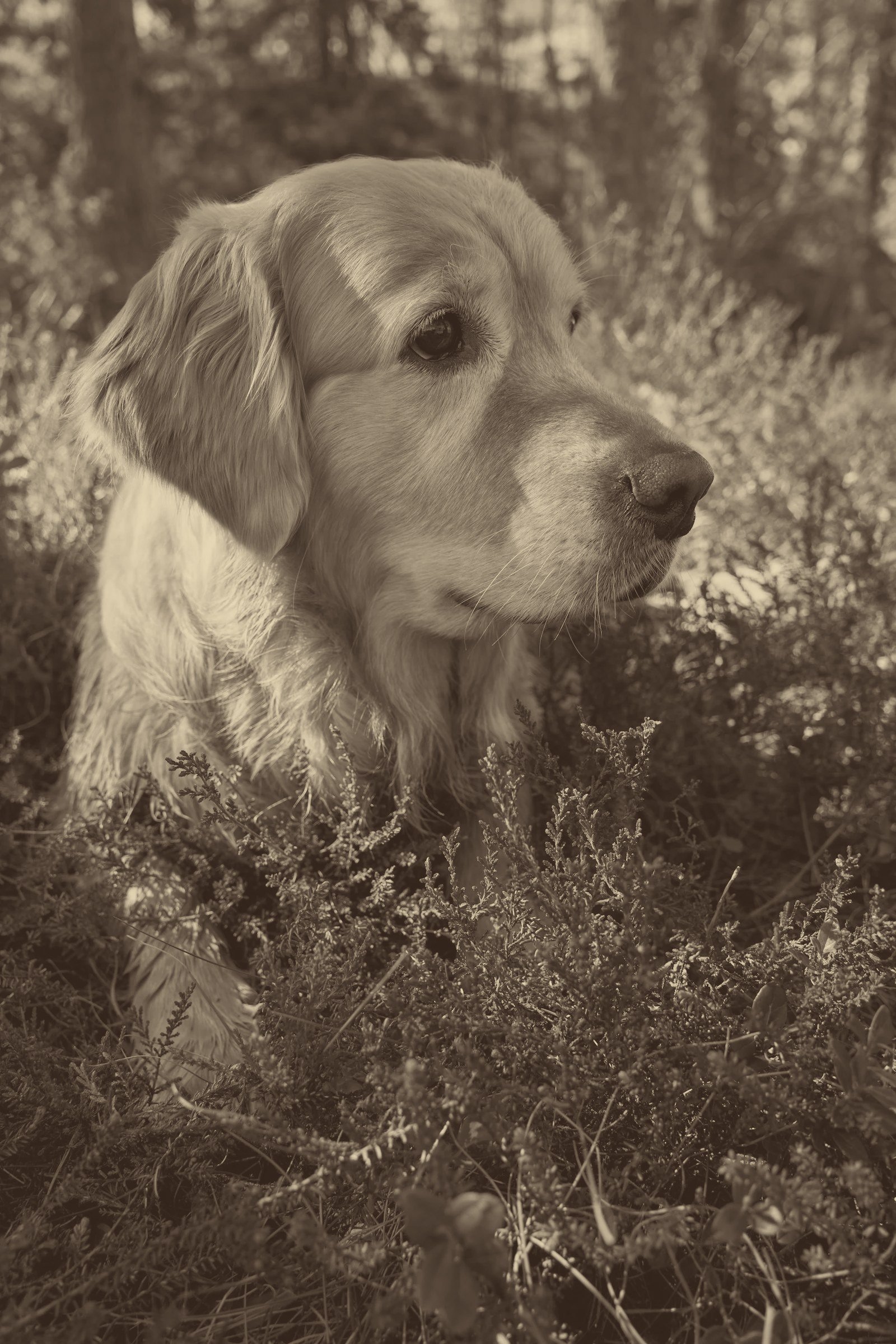
For many people, the difference between an Emotional Support Animal (ESA) and a Psychiatric Service Dog (PSD) is unclear. Some believe that because my service dog, Radha, provides emotional support, she must be an ESA rather than a PSD. However, this is a misconception—and a damaging one—because it overlooks the crucial role that a psychiatric service dog plays in Simple disabilities like mine.

As someone diagnosed with BPD, ADHD, CPTSD, anxiety, depression, and suicidal ideation, my daily life is deeply affected by my mental health. My ability to function, navigate the world, and stay safe is significantly improved by Radha—not just because of her presence but because of the specific trained tasks she performs. This is what makes her an assistance dog, not an ESA.

What’s the Difference Between an ESA and a PSD?

Emotional Support Animal (ESA):

  • Provides comfort, companionship, and emotional stability.
  • Requires no specific training beyond basic obedience.
  • Not legally recognized as an assistance animal under UK law.
  • No public access rights—ESAs can be refused entry to businesses, transport, and housing.

Psychiatric Service Dog (PSD):

  • Task-trained to perform specific actions that mitigate psychiatric disabilities.
  • Recognized as an assistance dog under the Equality Act 2010 in the UK.
  • Has full public access rights (like guide dogs for the blind).
  • Helps an individual function safely and independently in ways that an ESA cannot.

How My Psychiatric Service Dog, Radha, Helps Me

People often assume that Radha is just a source of comfort and companionship—which she is—but that alone is not what makes her a PSD. What defines her as a service dog is her trained ability to mitigate my disabilities.

Examples of Radha’s Trained Tasks:

  • Interrupting dissociation & panic attacks: When I start to dissociate or panic, Radha nudges or applies deep pressure therapy to bring me back to the present.
  • Blocking & creating space in crowds: Large crowds can be overwhelming and triggering. Radha stands in front or behind me to create a buffer, reducing distress and preventing sensory overload.
  • Alerting me before I become overwhelmed: Radha notices changes in my breathing, heart rate, and body language before I consciously recognize distress and intervenes before a full breakdown occurs.
  • Guiding me to the restroom when I am in pain: I often get bouts of debilitating physical pain in public, and Radha leads me to the ladies’ restroom on cue.
  • Waking me from nightmares & night terrors: My PTSD causes intense nightmares and night terrors. Radha nudges me awake and provides grounding pressure to help me return to reality.
  • Reminding me to eat: I struggle with executive function due to ADHD. I also have persistent low moods due to CPTSD and Depression. Radha is trained to nudge the oven door on cue and interrupt harmful patterns when I forget basic self-care.
  • Preventing self-harm behaviors: If I engage in self-harming behaviors due to emotional distress, Radha interrupts them by pawing, licking, or nudging me away.

These tasks are not just comfort-based—they are essential for my safety, stability, and ability to function in daily life. An ESA could not perform these functions because they are not trained for them.

Why This Distinction Matters

The misconception that “all dogs provide emotional support” is dangerous because it undermines the legitimacy of psychiatric service dogs. It leads to situations where people with PSDs—like myself—face discrimination, denial of access, or accusations of fraud for simply existing with our dogs in public spaces.

Unlike an ESA, Radha has public access rights under the Equality Act 2010. This means she must be allowed in shops, public transport, restaurants, and other public areas. However, because mental health disabilities are invisible, many people assume she is “just an emotional support dog” and that I have no right to bring her into these spaces.

Final Thoughts

Psychiatric Service Dogs are working animals, just like guide dogs for the blind. The fact that they provide emotional support does not mean they are only providing comfort. My PSD helps me function, stay safe, and manage my disabilities in ways that an ESA never could.

Mental health matters, and so do psychiatric service dogs. It’s time people understood that.

Radha is not an ESA. She is my lifeline.

What Can You Do?

  • Educate yourself and others about the difference between ESAs and PSDs.
  • Respect the legal rights of psychiatric service dogs and their handlers.
  • Speak up when you see discrimination against service dog teams.

Mental health matters, and so do psychiatric service dogs. It’s time people understood that.

With love.

Karmic Rebelle